
Spongy Feel
The lawn feels soft or springy when you walk across it.
Locally Owned • Serving Fort Worth & Surrounding Communities
Free Estimates • (817) 200-4002Lawn Dethatching in Fort Worth, TX
Remove excessive buildup and reopen the path between your grass and soil.
Some thatch is normal. Too much can create a dense layer between the grass and soil that interferes with water, air and nutrients reaching the root zone. Fresh Aerations provides professional dethatching for appropriate Fort Worth lawns when that buildup becomes excessive.
Not sure whether your lawn needs dethatching or aeration? We can help you figure out the difference.
Fort Worth Based • 15+ Years of Industry Experience • Free Estimates
Start With the Basics
Thatch is a layer of organic material that develops between the green grass above and the soil below.
It can contain stems, roots and other plant material that break down more slowly than grass clippings.
A small amount of thatch can be normal and may even help protect the soil. The issue is when that layer becomes thick enough to interfere with the lawn.
Ordinary grass clippings do not automatically create thatch.
Green Turf
The living grass you see above the surface.
Thatch Layer
Stems, roots and organic material between grass and soil.
Soil / Root Zone
Where roots develop and water, air and nutrients move.
Too Much of a Good Thing
A modest thatch layer can be normal. The problem begins when the layer becomes thick enough to interfere with the lawn.
The lawn feels soft or springy when you walk across it.
A thick layer of fibrous material is visible beneath the green turf.
Water has difficulty moving through the upper turf layer to the soil below.
Roots may remain concentrated near the surface instead of reaching deeper soil.
Seed, fertilizer or topdressing may have more difficulty reaching the soil when a dense layer is in the way.
The lawn may look dense from above but struggle underneath.
These signs do not automatically mean dethatching is necessary. The actual lawn condition matters.
Different Problems. Different Tools.
Focus: The layer above the soil.
Dethatching mechanically removes excessive material from the layer between the living grass and soil.
Used for
Focus: The soil itself.
Core aeration removes plugs of soil to relieve compaction and create openings into the root zone.
Used for
If the lawn feels spongy, thatch may be the issue. If the ground feels hard, compaction may be the issue. Some lawns can have both.
Not sure which you need?
Get a Free EstimateThe Process
Dethatching uses specialized equipment to work through the turf and pull excessive material out of the thatch layer.
That material is then brought to the surface where it can be collected and removed.
Step 1
Mechanical tines or blades move through the turf canopy and loosen excess material.
Step 2
Dead organic material is pulled upward and away from the soil surface.
Step 3
Excess material is collected so the lawn is ready for recovery and any appropriate follow-up work.
 Recovery period
What to Expect
Dethatching is a mechanical process, so an appropriate lawn may look temporarily thinner or rougher immediately after service.
That doesn't mean something went wrong. The purpose is to remove excess material that was built up within the turf.
The lawn's recovery depends on grass type, health, season, weather and the severity of the thatch layer.
Dethatching should be timed when the turf is healthy enough to recover.
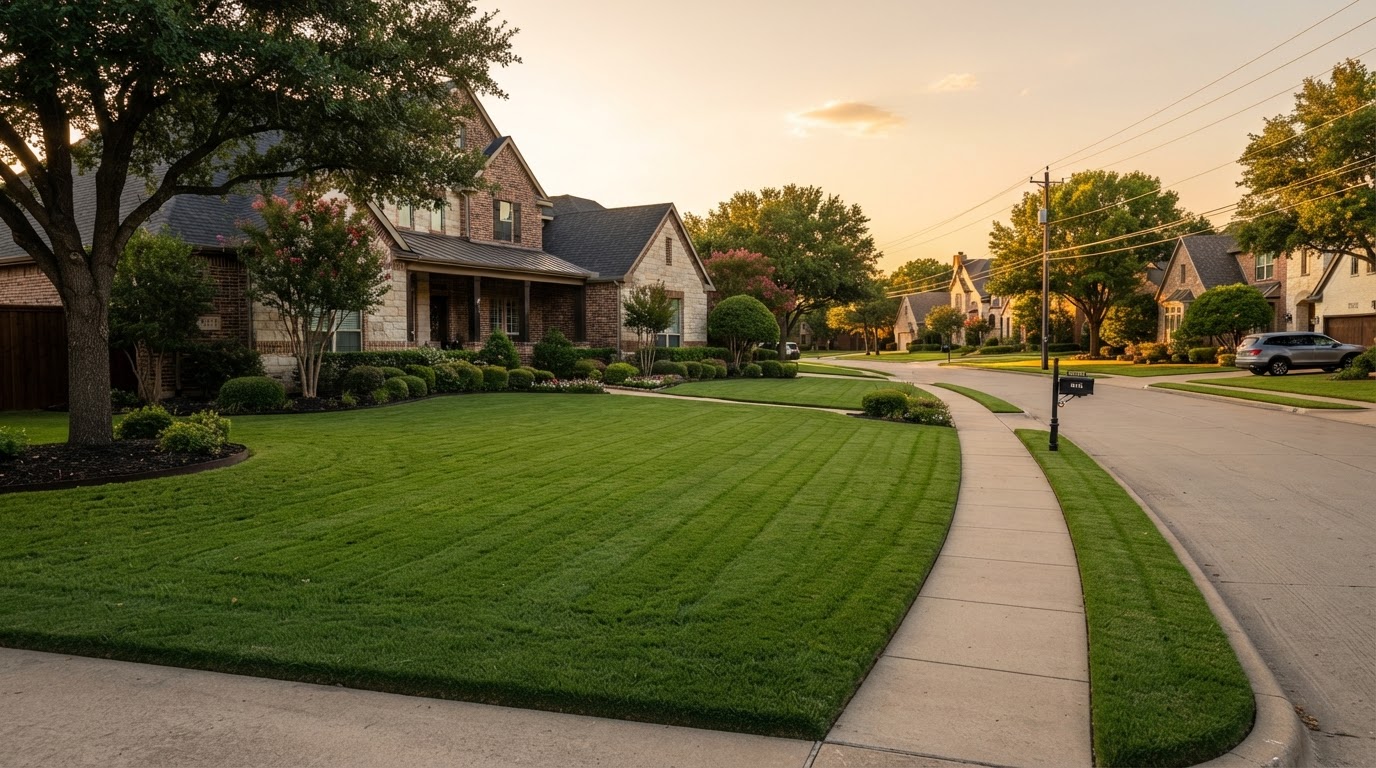 Bermuda dethatching
Bermuda Lawns
Bermuda grass is common throughout Fort Worth and North Texas. Its dense, spreading growth can sometimes contribute to a substantial organic layer when conditions allow thatch to accumulate.
When a Bermuda lawn truly has excessive thatch, dethatching during an appropriate active-growth period can help remove that buildup.
Healthy Bermuda does not automatically need dethatching every year. Factors include turf health, active growth, weather, thatch thickness, lawn stress and follow-up care.
Timing Matters
The best timing depends on grass type and lawn condition.
For warm-season turf such as Bermuda, dethatching is generally better considered during active growth when the grass has the ability to recover.
Stressed, dormant or struggling turf may not be a good candidate.
We recommend service based on the actual lawn instead of treating dethatching as a fixed annual calendar item.
Factors that affect timing
Why Does It Build Up?
Rapidly spreading turf can produce substantial stems and root material.
Overly aggressive growth can contribute to organic buildup in some lawns.
Certain lawn-management practices can encourage shallow turf growth.
Conditions that slow organic decomposition may contribute to buildup.
Some grass types naturally develop more thatch than others.
Years of turf growth without addressing excessive buildup can allow the layer to become more noticeable.
Knowing the Limits
Dethatching targets excessive thatch. Some property issues require a different approach.
If the soil itself is hard and compacted, core aeration may be more appropriate.
Explore core aeration →Bumps and dips are better addressed through lawn leveling or topdressing.
Explore lawn leveling →Dethatching does not replace drainage or grading work.
If the lawn isn't receiving adequate water, removing thatch will not fix the irrigation system.
Dethatching is not a universal treatment for turf disease or insects.
A severely damaged lawn may require a broader recovery plan.
If dethatching isn't what the lawn needs, we'd rather tell you that.
Pairing Services
On some lawns, yes. The two services address different layers, and when both excessive thatch and compacted soil are present, they may complement each other as part of a broader lawn-improvement project.
Focus: Removes excessive organic buildup above the soil.
Learn moreFocus: Relieves compaction within the soil.
Learn moreWhether both services are appropriate depends on the lawn.
Ask About Dethatching + AerationPreparing for New Growth
For grass types and seasons where overseeding is appropriate, removing excessive surface buildup can help improve seed-to-soil contact.
The goal is to give seed better access to the soil rather than leaving it sitting on top of a dense thatch layer.
Overseeding is not appropriate for every lawn, grass type or season.
Better seed-to-soil contact
Removing a dense surface layer can improve contact between added seed and the lawn beneath it.
Whether overseeding makes sense depends on grass type, season and the homeowner's goals.
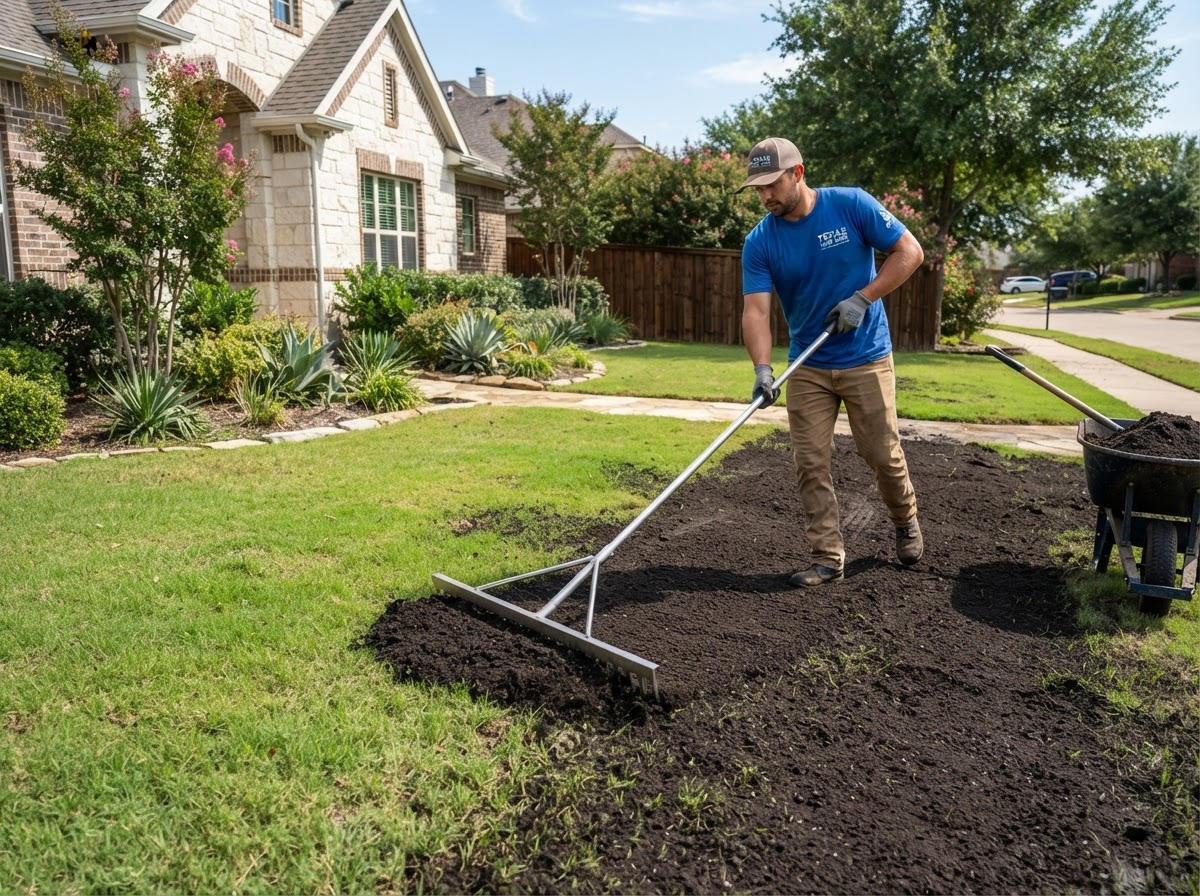 Topdressing after dethatching
Building a Better Surface
On appropriate lawns, topdressing may be considered after excessive thatch has been removed.
Removing a dense surface layer can improve contact between added material and the lawn beneath it.
Whether it makes sense depends on
What to Expect
Step 01
Send your address and explain what you're noticing.
Step 02
We look at the lawn condition and whether excessive thatch appears to be part of the problem.
Step 03
Specialized equipment works through the turf and loosens excessive buildup.
Step 04
Dislodged thatch is brought to the surface and removed from the service area.
Step 05
Depending on the lawn, recovery may involve normal care or complementary services such as aeration, overseeding or topdressing.
Recovery depends on grass type, season and lawn condition.
See the Difference
Dethatching may temporarily leave the lawn looking rougher before it recovers. These slots focus on the process itself — turf before, material being lifted and the lawn after service. Project slots are structured for easy replacement with verified Fresh Aerations photography.
Turf Before DethatchingResidential lawn showing dense turf that may be hiding excessive thatch buildup beneath the surface.
Dethatching in ProgressMechanical equipment working through the turf to loosen and lift excessive organic material.
Lawn After ServiceTurf following dethatching, ready for recovery and any appropriate follow-up lawn-improvement work.
Gallery slots are structured for easy replacement with real Fresh Aerations dethatching photography. Only verified project details are published.
Why Fresh Aerations
Experience helps when deciding whether a lawn actually needs aggressive mechanical work.
Local service for North Texas lawn conditions.
We focus on the soil, turf and surface — not simply mowing.
Not every lawn needs dethatching.
If compaction, surface issues or thin turf are also present, we can discuss related lawn-improvement services.
Renting a Dethatcher?
Dethatching itself is only part of the project. Once the machine loosens the buildup, all of that material ends up sitting on top of the lawn.
Pulling the thatch up is one thing. Dealing with the pile afterward is another.
Local Dethatching Service
Fresh Aerations provides residential dethatching services throughout Fort Worth, West Fort Worth, Tarrant County and surrounding communities.
Not sure if you're in our service area?
Dethatching FAQ
Related Lawn Services
Reduce soil compaction and improve root-zone access.
ExploreImprove turf density where overseeding is appropriate.
ExploreImprove minor surface irregularities and create a smoother lawn.
ExploreAdd and distribute soil-based material where appropriate.
ExploreThink Your Lawn Has Too Much Thatch?
You don't need to decide whether the lawn needs dethatching, aeration or something else before reaching out. Tell us what you're seeing and we'll help determine the right next step.
Free • No obligation • Customized to your property