
Thin Turf
Appropriate overseeding can help increase density where existing growth is sparse.
Locally Owned • Serving Fort Worth & Surrounding Communities
Free Estimates • (817) 200-4002Lawn Overseeding in Fort Worth, TX
Improve turf density when the lawn, grass type and season are right.
Overseeding can help improve turf density, fill thin areas and support seasonal lawn goals when the existing grass type and growing conditions make it appropriate. Fresh Aerations provides professional overseeding for suitable residential lawns throughout Fort Worth.
Not sure whether your lawn actually needs seed? We'll help you determine the right next step.
Fort Worth Based • 15+ Years of Industry Experience • Free Estimates
The Basics
Overseeding is the process of spreading grass seed into an existing lawn without removing all of the current turf.
It can be used to improve density, address certain thin areas or introduce seasonal turf where appropriate.
The success of overseeding depends heavily on the seed reaching suitable soil, receiving adequate moisture and being used at the right time for the grass type.
Existing Turf
The lawn stays in place rather than being removed.
New Seed
Appropriate grass seed is distributed across the target area.
Soil Contact
Successful establishment depends on the seed reaching the soil and receiving proper growing conditions.
Is Overseeding Right for Your Lawn?
Overseeding can support specific lawn goals, but it is not a universal fix for every thin or struggling yard.
Appropriate overseeding can help increase density where existing growth is sparse.
Some homeowners use seasonal overseeding strategies when appropriate for their lawn and goals.
Certain areas may benefit from additional seed if the underlying growing conditions can support establishment.
Removing excessive surface buildup may improve seed-to-soil contact.
Core aeration can create additional openings where seed may reach the soil.
Overseeding can sometimes be one component of a broader turf-improvement plan.
If the underlying problem is compaction, poor irrigation, major shade or unhealthy soil, seed alone may not solve it.
Tell Us What Your Lawn Is DoingOne Size Does Not Fit All
Different turfgrasses grow and reproduce differently. Some grass types are commonly maintained through seed. Others spread aggressively through runners and may not need overseeding for the same reasons.
Example: Bermuda
Warm-season turf follows a seasonal growth cycle and may be overseeded only for specific goals or circumstances.
Example: Different timing
Cool-season grasses follow different timing and establishment patterns and may use overseeding differently.
The grass type should be identified before deciding whether overseeding is the right service.
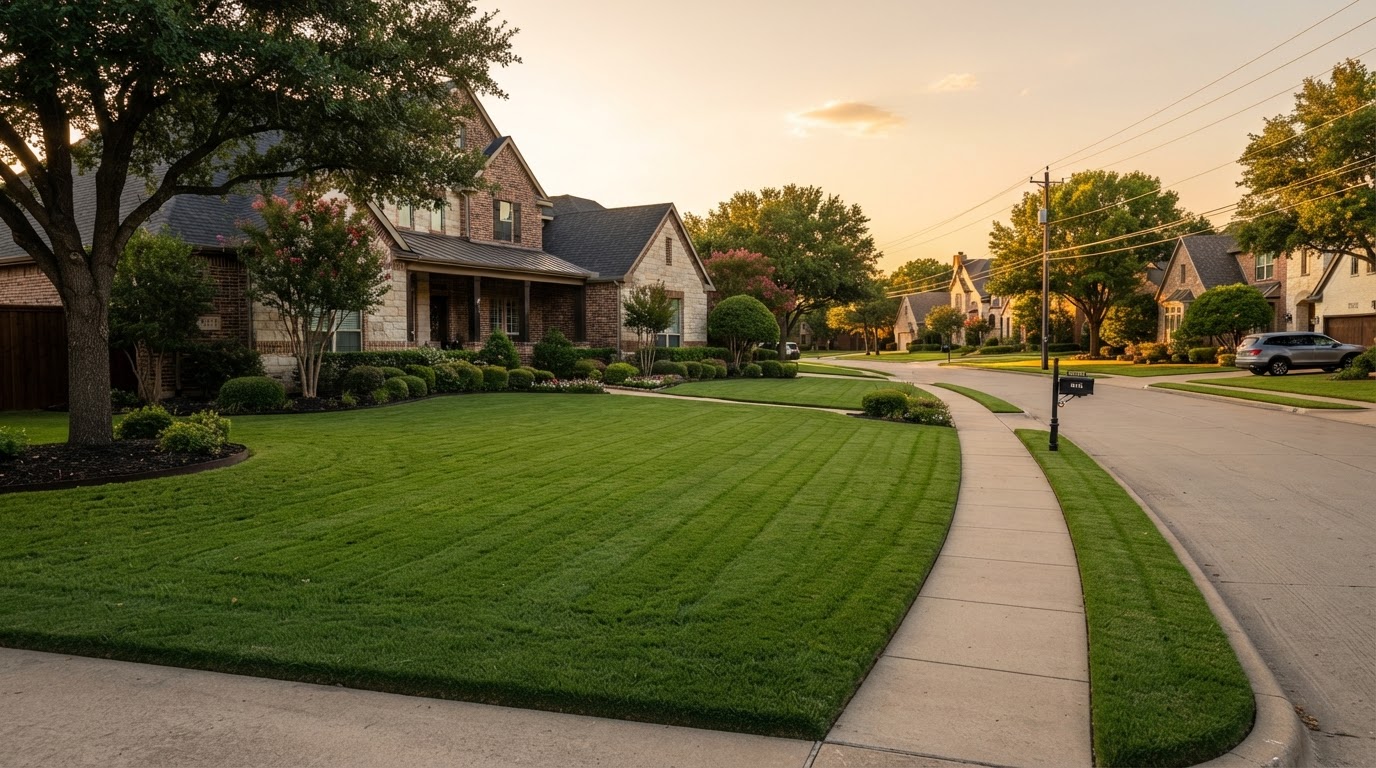 Bermuda overseeding
Bermuda Lawns
Bermuda is common throughout Fort Worth and spreads through both above-ground and below-ground growth.
During active growth, healthy Bermuda can often fill thin areas through its own spreading habit when the underlying conditions are good.
That means a thin Bermuda lawn does not automatically need additional seed.
If Bermuda is thinning because the soil is compacted, adding more seed may not address the real problem.
Overseeding may make sense based on
The Part That Matters
Simply spreading seed across the top of a dense lawn does not guarantee good establishment. Seed generally performs better when it has meaningful contact with the soil and receives the moisture and conditions required for germination.
Can keep seed suspended above the soil.
Can limit favorable growing conditions beneath the surface.
May prevent seed from settling into the soil.
Can prevent successful germination.
This is why overseeding is often considered alongside other lawn-improvement services.
A Common Combination
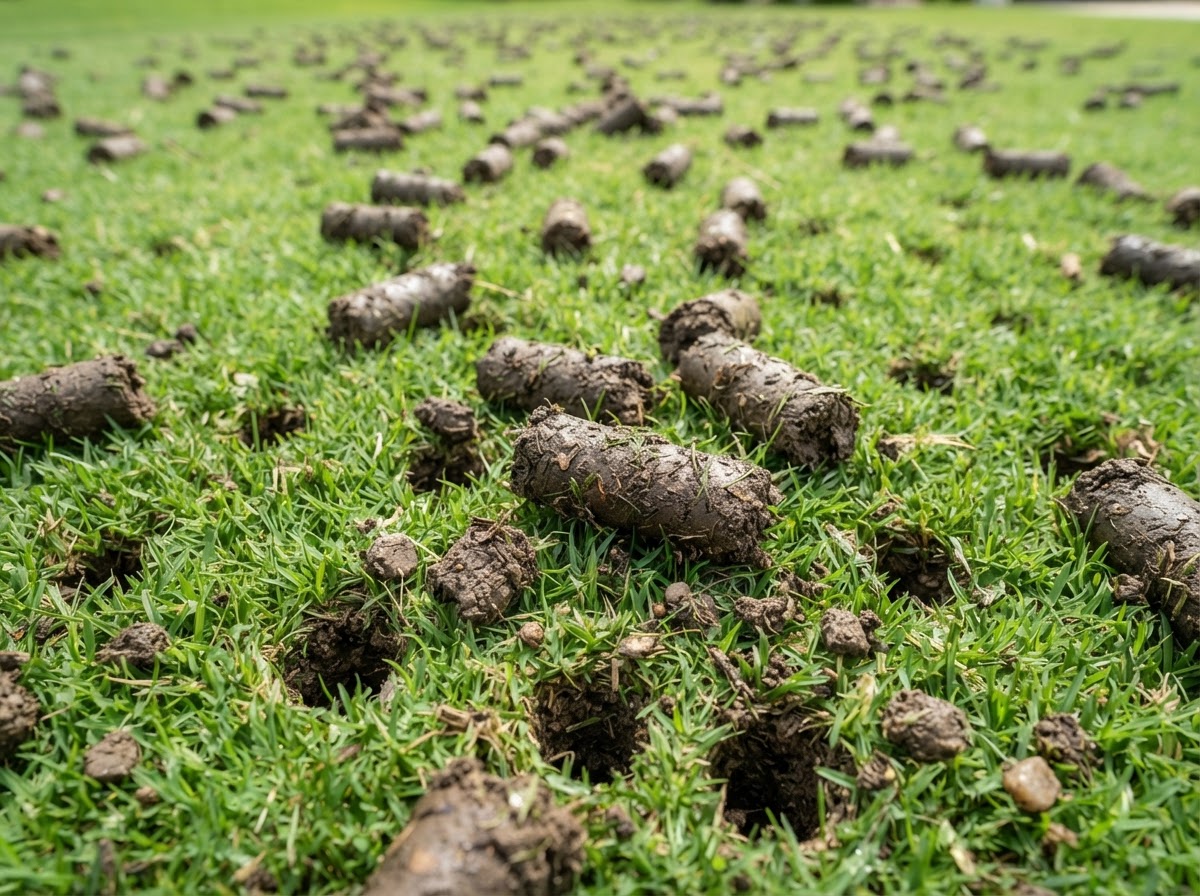
Core aeration removes small plugs of soil and creates openings across the lawn. When overseeding is appropriate, those openings can provide additional opportunities for seed to reach the soil.
Helps with
Helps with
Combining the services does not automatically guarantee establishment. Seed type, moisture, timing and lawn conditions still matter.
Clearing the Surface
Yes, when excessive thatch is actually present.
A thick thatch layer can prevent seed from reaching the soil.
Removing excessive buildup may improve seed-to-soil contact and create better conditions for an overseeding project.
Dethatching should not be performed simply because overseeding is planned. The lawn should actually have excessive thatch.
Better seed-to-soil contact
Removing a dense surface layer can improve contact between added seed and the lawn beneath it.
Whether dethatching makes sense depends on whether the lawn actually has excessive thatch buildup.
Timing Matters
There is no single overseeding date that applies to every lawn.
The right timing depends on the grass being planted, the existing turf, soil temperature, weather and the homeowner's goal.
Fresh Aerations recommends timing based on the actual lawn rather than treating overseeding as a universal calendar service.
Factors that affect timing
Knowing the Limits
Overseeding improves density where conditions support it. Some lawn problems need a different approach.
If roots are struggling because the soil is compacted, core aeration may be more appropriate.
Explore core aeration →If a thick organic layer blocks soil contact, dethatching may be needed.
Explore dethatching →Bumps and dips require lawn leveling or topdressing.
Explore lawn leveling →New seed cannot establish without appropriate moisture.
Some turf simply cannot thrive where sunlight is inadequate.
Adding seed does not address the underlying cause.
If overseeding isn't the right answer, we'd rather recommend a different next step.
After the Service
Overseeding is not an instant visual transformation.
Seed must germinate, establish roots and develop into mature turf.
Factors affecting results
New seed typically requires more consistent surface moisture during establishment than mature turf.
Reducing unnecessary traffic can help protect newly establishing areas.
Establishment happens over time rather than overnight.
What to Expect
Step 01
Send your address and describe the thin areas or the result you're trying to achieve.
Step 02
We consider the existing grass, lawn condition and whether overseeding makes sense.
Step 03
The lawn may benefit from related work such as aeration or dethatching depending on conditions.
Step 04
Appropriate seed is distributed across the agreed service area.
Step 05
The homeowner follows watering and lawn-care guidance appropriate to the project.
 Newer home
Newer Home?
New-construction lawns can deal with compacted soil, disturbed ground, uneven surfaces and inconsistent growing conditions.
If grass is thin, simply adding seed may not be enough.
Potential contributing conditions
Fresh Aerations can help determine whether overseeding should be part of the solution or whether the lawn needs something else first.
Tell Us About Your LawnWhy Fresh Aerations
Experience helps when deciding whether seed is actually the right next step.
Local service informed by North Texas lawn conditions.
If compaction or thatch is limiting the lawn, we can address those conditions too.
Grass type, season and lawn condition all matter.
Understand the recommended work before moving forward.
See the Process
Overseeding results develop over time rather than appearing instantly. These slots focus on the process — preparation, seed application and establishment. Project slots are structured for easy replacement with verified Fresh Aerations photography.
Aerated Turf Before SeedLawn following core aeration, with openings that may help seed reach the soil during an overseeding project.
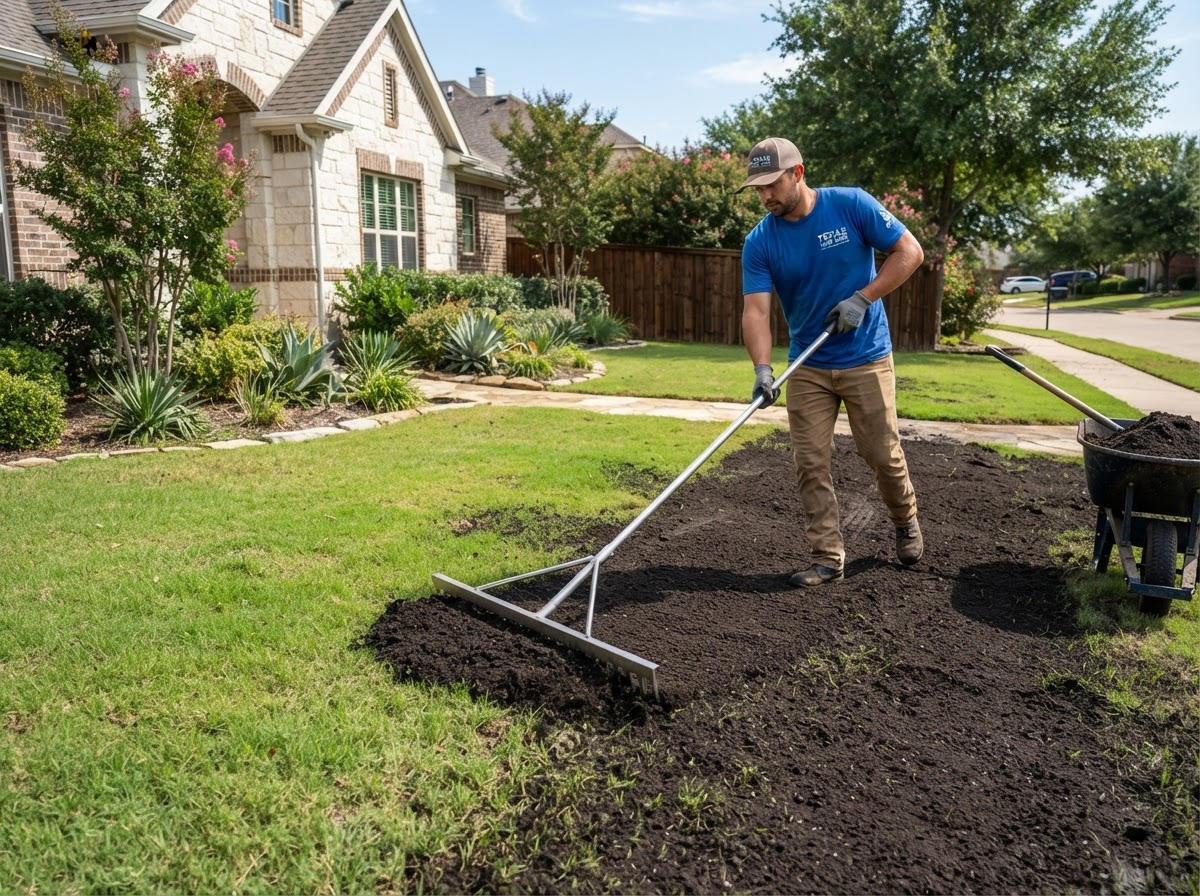 Seed Application
Appropriate seed being distributed across a prepared residential lawn surface.
 Establishing Turf
Newly establishing grass following overseeding, with appropriate moisture and growing conditions.
Gallery slots are structured for easy replacement with real Fresh Aerations overseeding photography. Only verified project details are published.
Local Overseeding Service
Fresh Aerations provides residential overseeding and related lawn-improvement services throughout Fort Worth, West Fort Worth, Tarrant County and surrounding communities.
Not sure if you're in our service area?
Overseeding FAQ
Related Lawn Services
Reduce compaction and improve access to the root zone.
ExploreRemove excessive buildup that may interfere with soil contact.
ExploreSupport healthy turf growth with appropriate nutrition.
ExploreAdd soil-based material where appropriate.
ExploreThin Lawn?
Tell us what you're seeing, what grass you have if you know it and what you're trying to improve. We'll help determine whether overseeding makes sense.
Free • No obligation • Customized to your property